
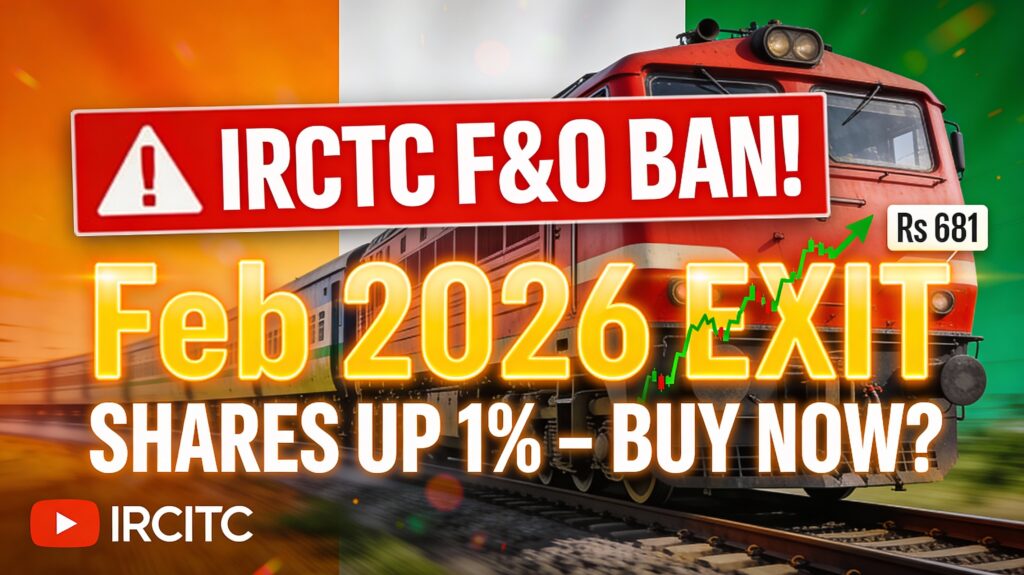
IRCTC shares are grabbing headlines today, and for good reason—it’s not every day that a major stock like this gets the boot from the futures and options (F&O) segment. Starting February 25, 2026, IRCTC will no longer trade in NSE’s F&O arena, thanks to SEBI’s tougher rules on liquidity and position limits. But don’t panic just yet; those existing contracts for December 2025, January, and February 2026 will keep rolling until they expire, complete with fresh strike prices to keep things lively.
What’s Behind the F&O Exit?
Picture this: SEBI’s been cracking down to make derivatives trading safer and more stable. IRCTC, despite being a powerhouse in rail ticketing and tourism, didn’t hit the mark on market-wide position limits or trading volumes. It’s a phased goodbye—no abrupt halt, which gives traders time to unwind positions without chaos. I’ve seen this play out before with other stocks; it often leads to a short burst of volatility as big players adjust. For everyday investors like us, though, it might actually be a silver lining, shifting focus back to the company’s rock-solid fundamentals.
How the Stock’s Been Performing Lately
Monday was a solid day for IRCTC—it closed up 1.06% at Rs 681.55, shrugging off the previous close of Rs 674.40. Volume wasn’t explosive at 1.19 lakh shares (turnover Rs 8.10 crore), but it nudged the market cap to Rs 54,524 crore. Zoom out, and the story gets more interesting: the stock peaked at a 52-week high of Rs 838.35 back on February 1, 2025, then dipped to Rs 655.70 in early March. Lately, it’s been hovering in the Rs 676-683 zone, showing some resilience amid broader market jitters. If you’re holding or eyeing entry, this range feels like a cozy consolidation spot—nothing too wild, but worth watching.
Diving Deeper into Technicals
Let’s talk charts, because numbers don’t lie, but they need context. The Relative Strength Index (RSI) is sitting pretty at 50.1—smack in neutral territory, meaning no one’s screaming “buy” or “sell” just yet. On moving averages, IRCTC’s above the short-term ones (5-day, 10-day, 20-day), which hints at building momentum for quick trades. But it’s lagging the longer ones (30-day to 200-day), so we’re in a classic “short-term uptrend, long-term caution” setup. Support looks firm around Rs 676-685, with resistance at Rs 756. As someone who’s followed railway stocks for years, this pattern often precedes a breakout if positive news—like railway budget tweaks or tourism surges—kicks in.
What This Means for Traders and Investors
Here’s where it gets real: losing F&O status kills off leveraged bets and options plays, dialing down intraday swings. No more wild options chains inflating volumes—prices will now dance more to earnings reports, passenger traffic data, or even government pushes for rail modernization under the current administration. Traders might see some unwinding pressure short-term, but cash market folks could love the stability. IRCTC’s got that monopoly edge in e-ticketing, a debt-free balance sheet, and steady dividends—it’s no fly-by-night operator. Think about it: with India’s rail network expanding and travel rebounding post-pandemic, this could be a long-term gem. Just keep an eye on broader sentiment; if Nifty stays choppy, IRCTC might test lower supports.
A Personal Take on the Bigger Picture
Honestly, news like this reminds me why I stick to fundamentals over hype. IRCTC isn’t just a stock; it’s tied to everyday Indian life—booking that last-minute Tatkal ticket or planning a budget trip. The F&O exit? It’s SEBI protecting retail folks from over-leveraging, which we’ve seen burn too many in past crashes. If you’re in it for the long haul, average down on dips and hold; the railway sector’s got tailwinds from infrastructure spends. Short-term traders, play the volatility smartly around expiry weeks. Either way, diversify—don’t bet the farm. This could be your cue to revisit your portfolio over a cup of chai. What’s your take? Holding IRCTC or watching from sidelines?
Get our Latest Post/Blogs here.