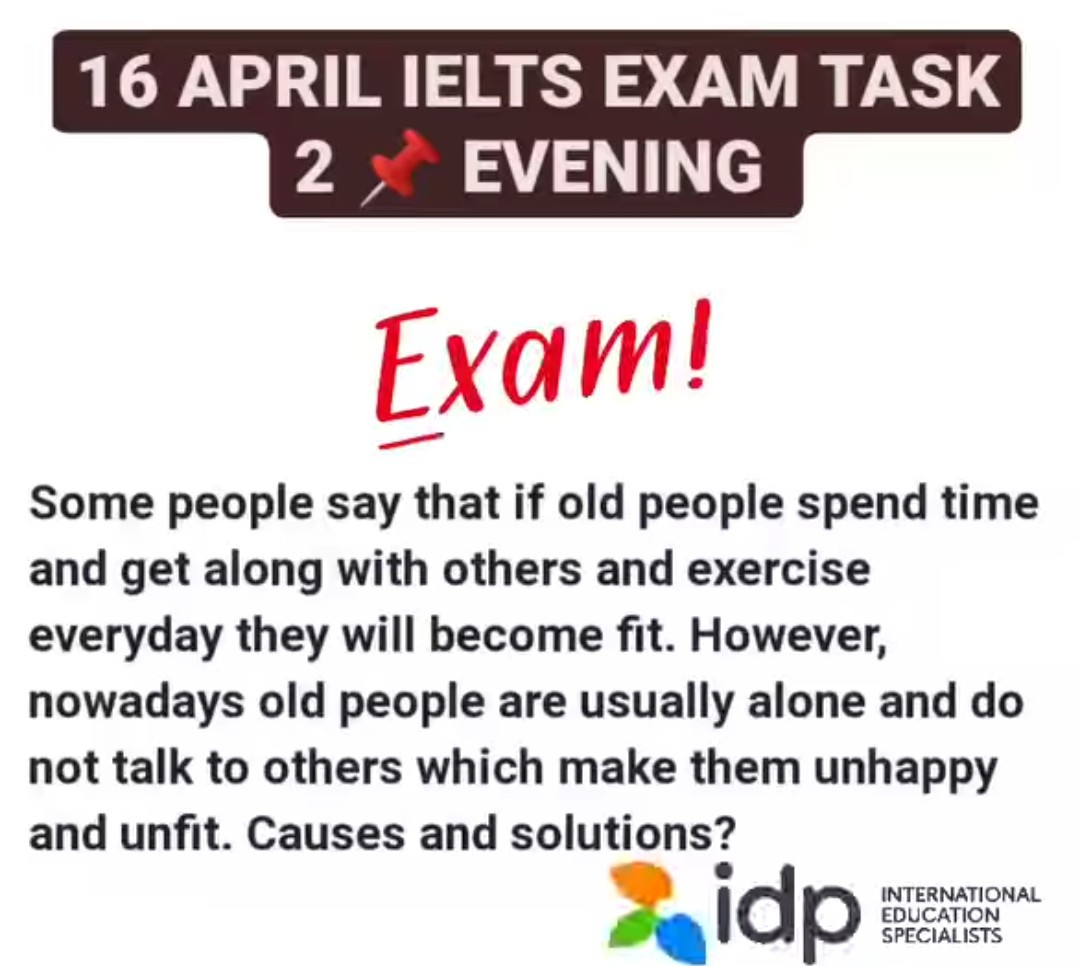
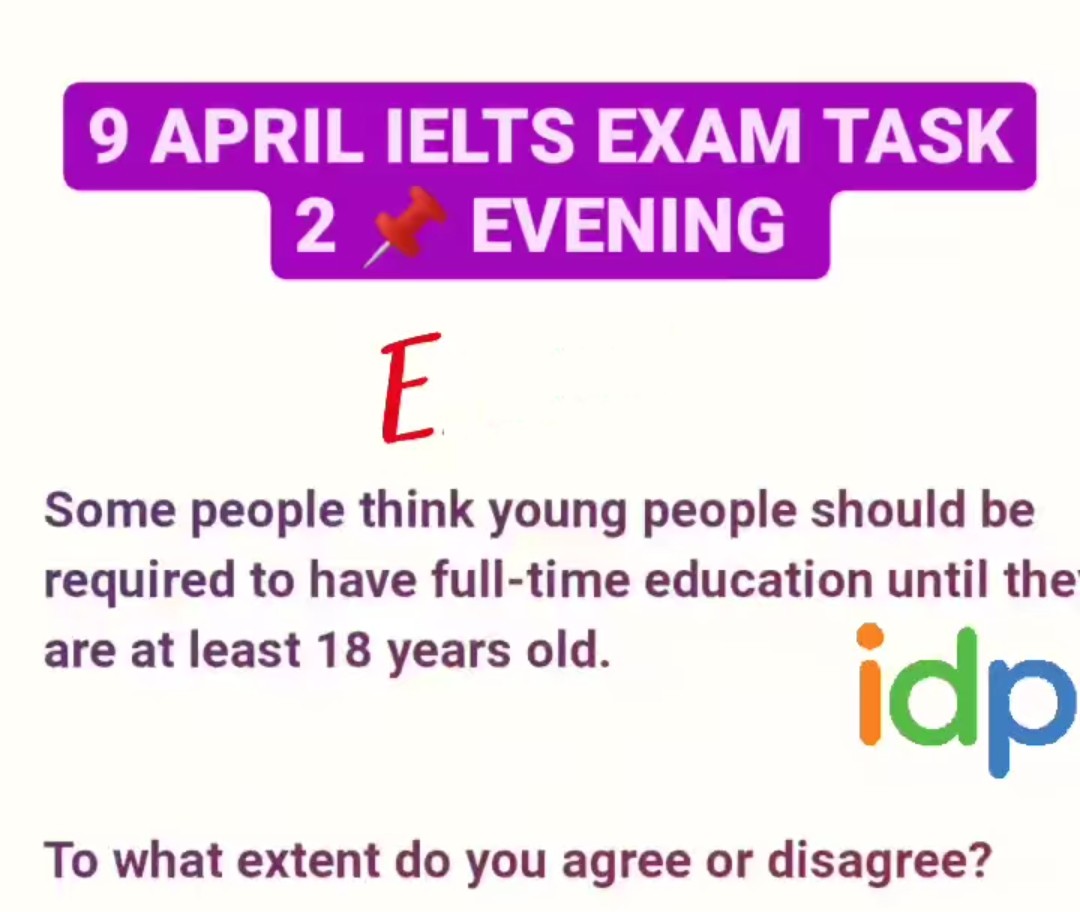
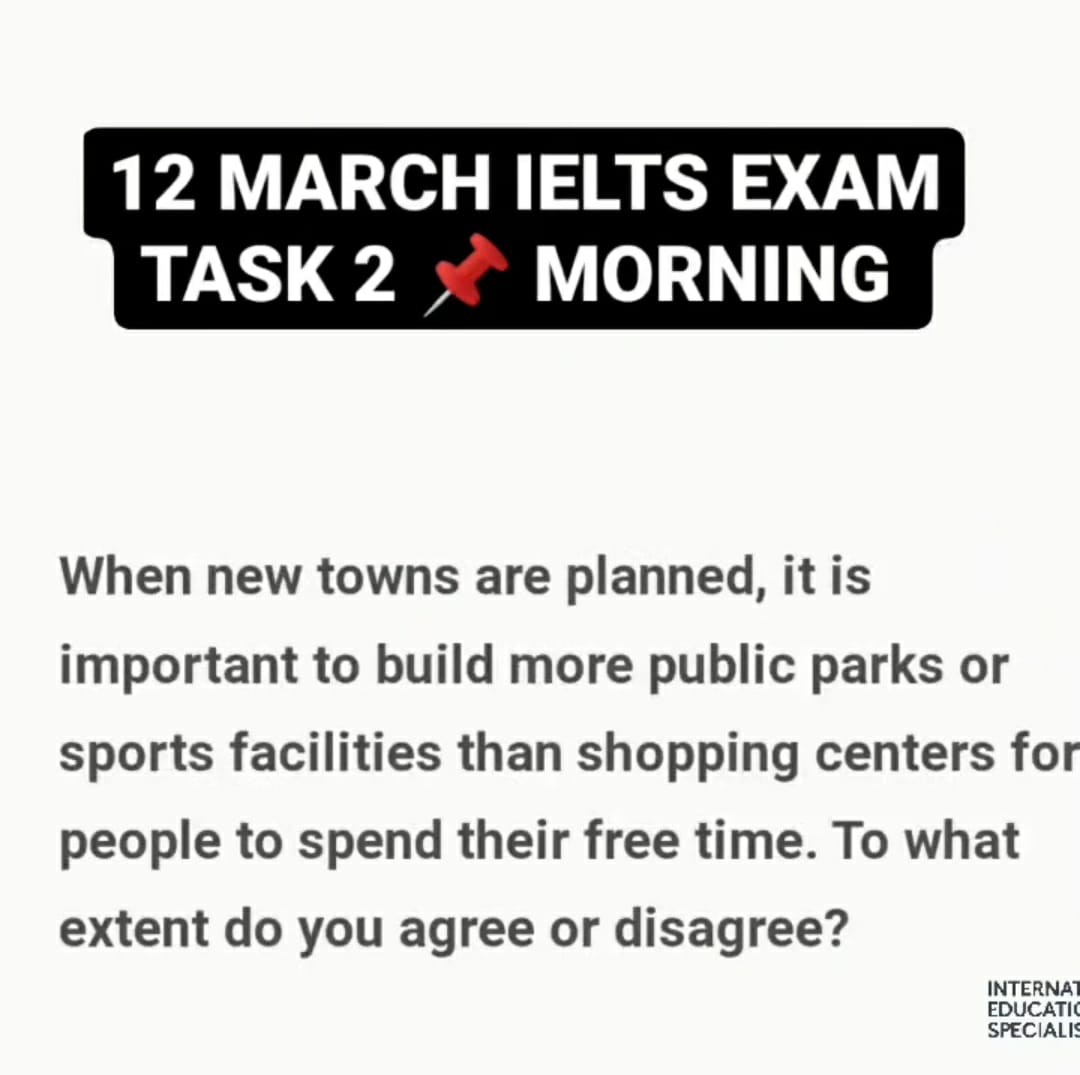
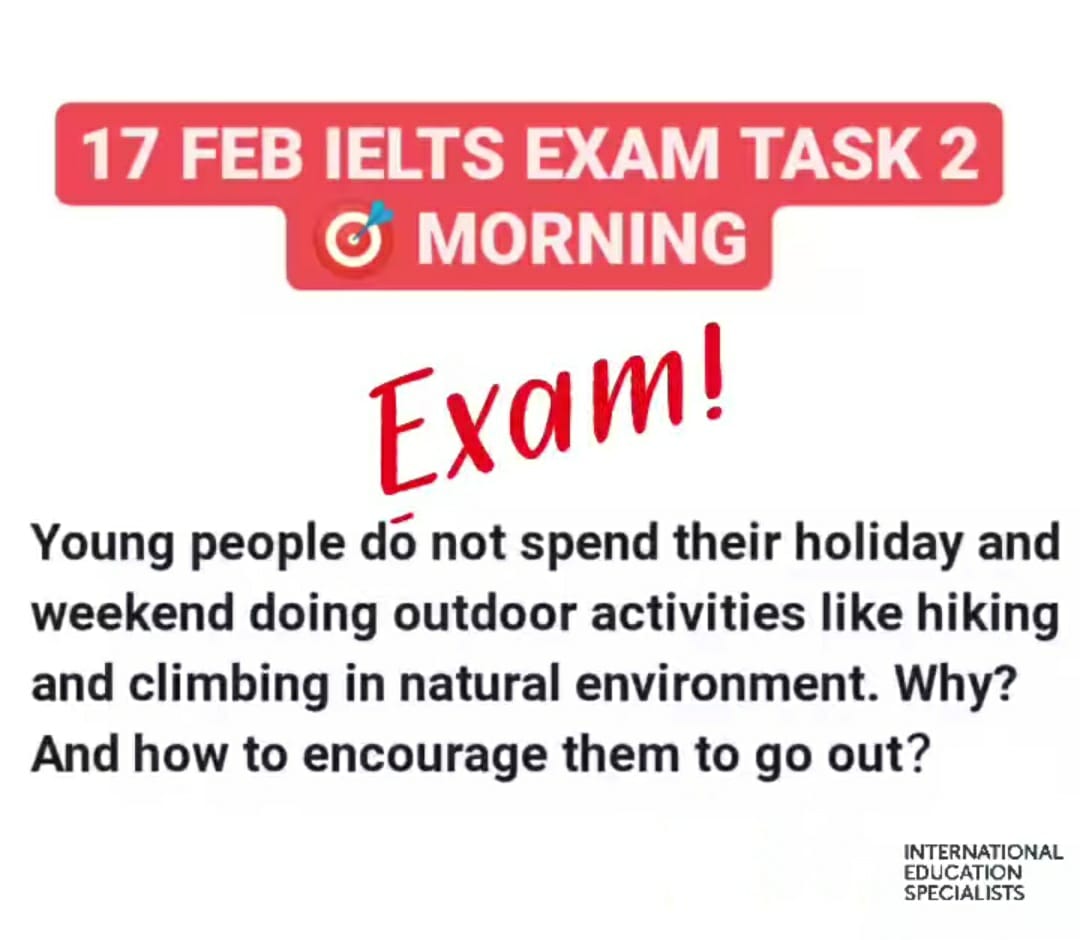
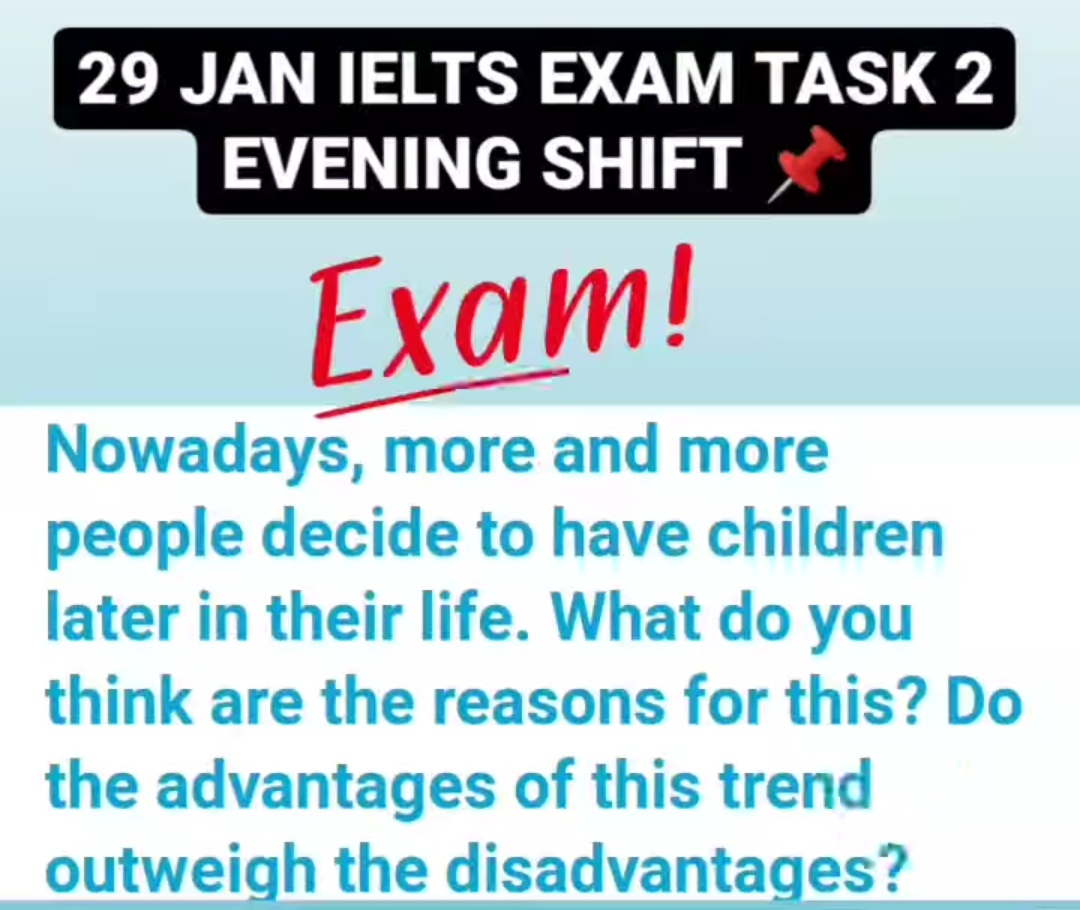
January IELts exam task 2
nowadys, more and more people decide to have children later in their life. what do you think are the reasons for this? do the advantages of this trend outweigh the disadvantages?
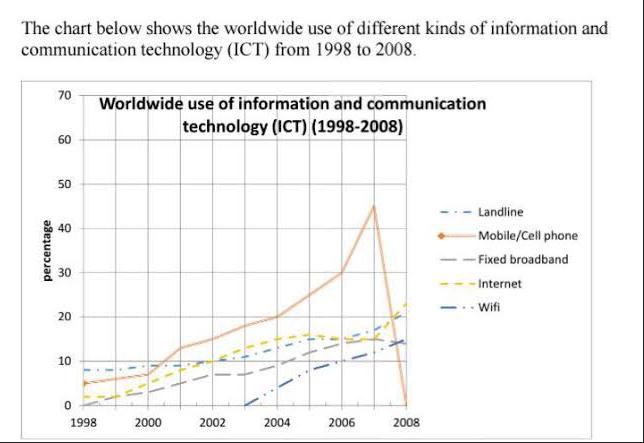
The line graph compares the usage of five different ways of information and communical technology around the world during 1998 to 2008 in percentum form.
The climate of the Earth is always changing. In the past it has altered as a result of natural causes. Nowadays, however, the term ‘climate change’ is generally used when referring to changes in our climate which have been identified since the early part of the twentieth century. The changes we’ve seen over recent years and those which are predicted to occur over the next 100 years are thought by many to be largely a result of human behaviour rather than due to natural changes in the atmosphere. And this is what is so significant about current climatic trends; never before has man played such a significant role in determining long-term weather patterns – we are entering the unknown and there is no precedent for what might happen next.

The future perfect continuous, also sometimes called the future perfect progressive, is a verb tense that describes actions that will continue up until a point in the future. The future perfect continuous consists of will/shall + have + been + the verb’s present participle (verb root + -ing).
The Future Perfect tense expresses action in the future before another action in the future. This is the past in the future.
Future Perfect Tense के वाक्यो के अन्त मे हिन्दी मे “चुका होगा”, “चुके होंगे”, “चुकी होगी”, “चुका हूंगा” आता है ।
The future continuous tense, sometimes also referred to as the future progressive tense, is a verb tense that indicates that something will occur in the future and continue for an expected length of time.
The simple future tense is used when an action is promised/thought to occur in the future.
The past perfect continuous tense (also known as the past perfect progressive tense) shows that an action that started in the past continued up until another time in the past.
The past perfect is a verb tense used to talk about actions that were completed before some point in the past.
The past continuous tense, also known as the past progressive tense, refers to a continuing action or state that was happening at some point in the past. The past continuous tense is formed by combining the past tense of to be (i.e., was/were) with the verb’s present participle (-ing word).