
PRESENT PERFECT CONTINUOUS TENSE

PRESENT PERFECT CONTINUOUS TENSE
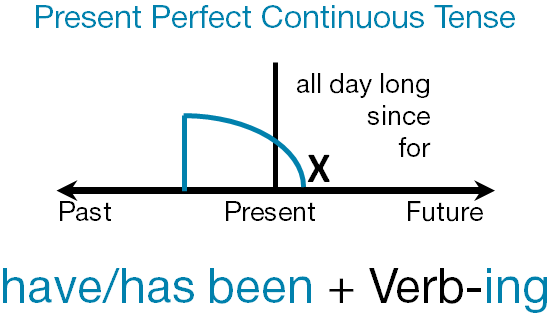
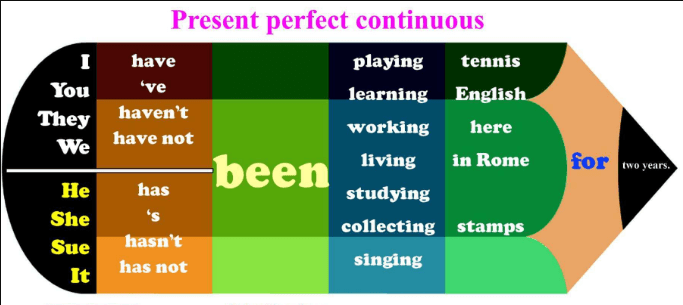
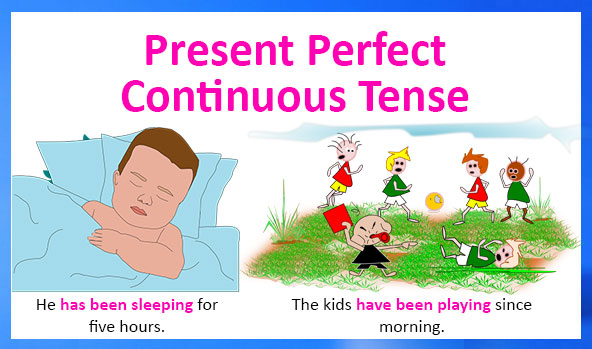
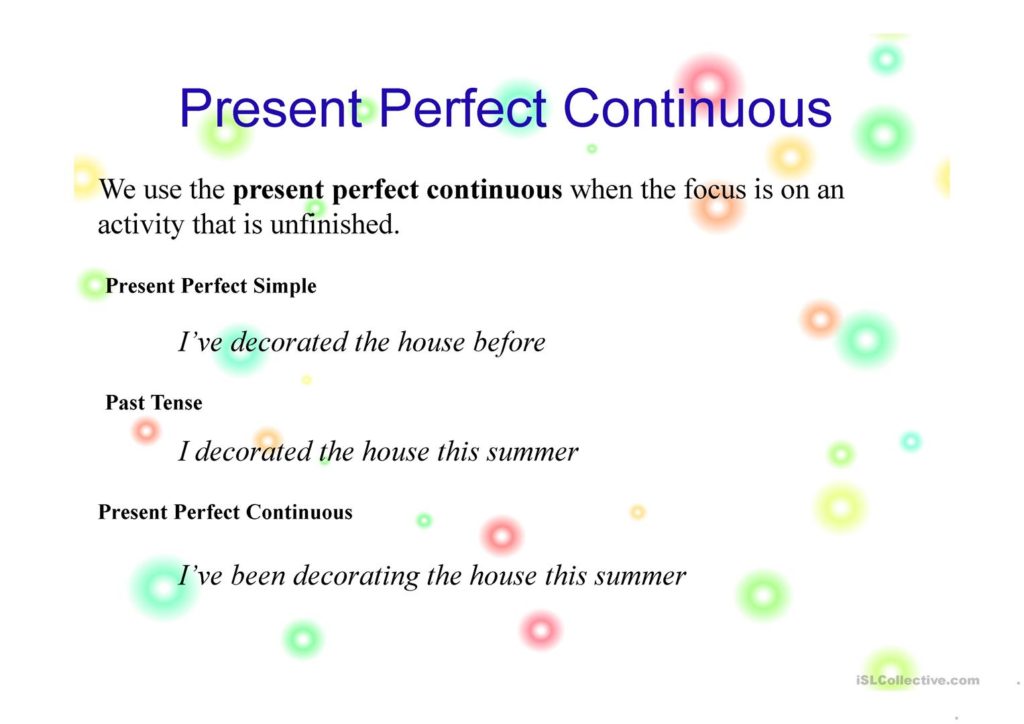
The present perfect continuous tense (also known as the present perfect progressive tense) shows that something started in the past and is continuing at the present time. The present perfect continuous is formed using the construction has/have been + the present participle (root + -ing).
Present Perfect Continuous Tense के वाक्यो के अन्त मे हिन्दी मे “से रहा है”, “से रहे है”, “से रही है” आता है ।


Structure of Sentence
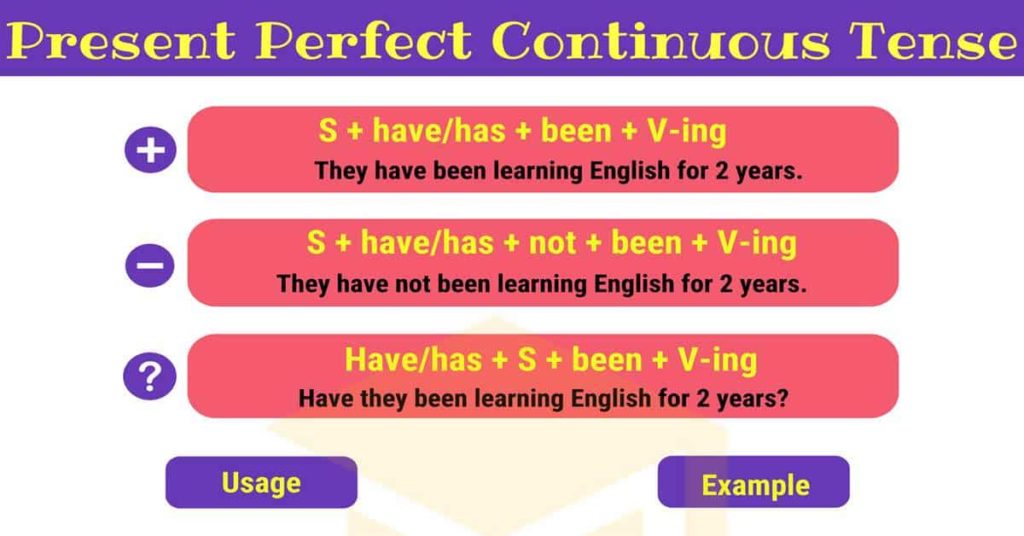
Subject + has/have + been + First Form of verb + ing + Object + since/for.
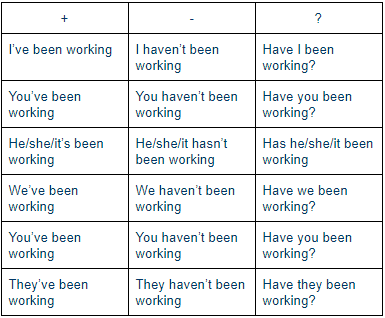
With He/She/It/Singular Noun need to use “has” along with First Form of verb + ing.
With I/We/You/They/Plural noun need to use “have” along with First Form of verb + ing.
Since is used for definite time period for example with “Days of week“, “Month of year“, “Exact year“, “Exact Clock Timings“.
For is used for indefinite time period for example “2 hours“, “4 days“, “6 weeks“, “7 months“, “9 years“.

Examples
- मै दो घण्टे से खेल रहा हूं।
- I have been playing for two hours.
- हम तीन बजे से फिल्म देख रहे है।
- We have been watching the film since three o’clock.
- वह सुबह से बुन रही है।
- She has been knitting since morning.

Present Perfect Continuous Tense – Negative Sentence
For negative sentences we insert ‘not’ after the first auxiliary verb.
Structure of Sentence
Subject + has/have + not + been + First Form of verb + ing + Object + since/for.
With He/She/It/Singular Noun need to use “has” along with First Form of verb + ing.
With I/We/You/They/Plural noun need to use “have” along with First Form of verb + ing.
Since is used for definite time period for example with “Days of week“, “Month of year“, “Exact year“, “Exact Clock Timings“.
For is used for indefinite time period for example “2 hours“, “4 days“, “6 weeks“, “7 months“, “9 years“.
Examples
- वह कल से नाच नही रही है।
- She has not been dancing since yesterday.
- उसे सुबह से सर्दी नही लग रही है।
- He has not been feeling cold since morning.
- भिखारी कई दिन से यहां पर नही खडा है।
- The beggar has not been standing here for several days.

Present Perfect Continuous Tense – Interrogative Sentence
For converting these sentences into interrogative sentences the formula is that you add have at the starting of the sentence followed by ‘Subject’ and then ‘been’. Rest of the rule remains the same.
Structure of Sentence
Has/Have + ‘Subject’ + been + verb (1st form) with ‘ing’ + object (optional) + since / for + time duration?
With He/She/It/Singular Noun need to use “has” along with First Form of verb + ing.
With I/We/You/They/Plural noun need to use “have” along with First Form of verb + ing.
Since is used for definite time period for example with “Days of week“, “Month of year“, “Exact year“, “Exact Clock Timings“.
For is used for indefinite time period for example “2 hours“, “4 days“, “6 weeks“, “7 months“, “9 years“.
Examples
- क्या आप दोपहर से सो रहे है?
- Have you been sleeping since noon?
- क्या वह 1991 से बूढा हो रहा है?
- Has he been growing old since 1991?
- क्या पिछले तीन वर्षो से किमतें बढ रही है?
- Have the prices been increasing for the last three years?
Present Perfect Continuous Tense – Interrogative Negative Sentence
In Present Perfect Continuous Tense, interrogative negative sentences are just like interrogative affirmative sentences with only use of “not” after subject.
Structure of Sentence
Has/Have + ‘Subject’ + not + been + verb (1st form) with ‘ing’ + object (optional) + since / for + time duration?
With He/She/It/Singular Noun need to use “has” along with First Form of verb + ing.
With I/We/You/They/Plural noun need to use “have” along with First Form of verb + ing.
Since is used for definite time period for example with “Days of week“, “Month of year“, “Exact year“, “Exact Clock Timings“.
For is used for indefinite time period for example “2 hours“, “4 days“, “6 weeks“, “7 months“, “9 years“.

Examples
- क्या हम आपस मे तीन दिन से नही मिल रहे है?
- Have we not been meeting each other for three days?
- क्या मै तीन वर्ष से कम्प्यूटर चलाना नही सिख रहा हूं?
- Have I not been learning to operate computer for three years?
- क्या आप पिछले तीन महीने से डाक्टर के पास नही जा रहे है?
- Have you not been going to the doctor for the last two months?

Present Perfect Continuous Tense (Passive Form)
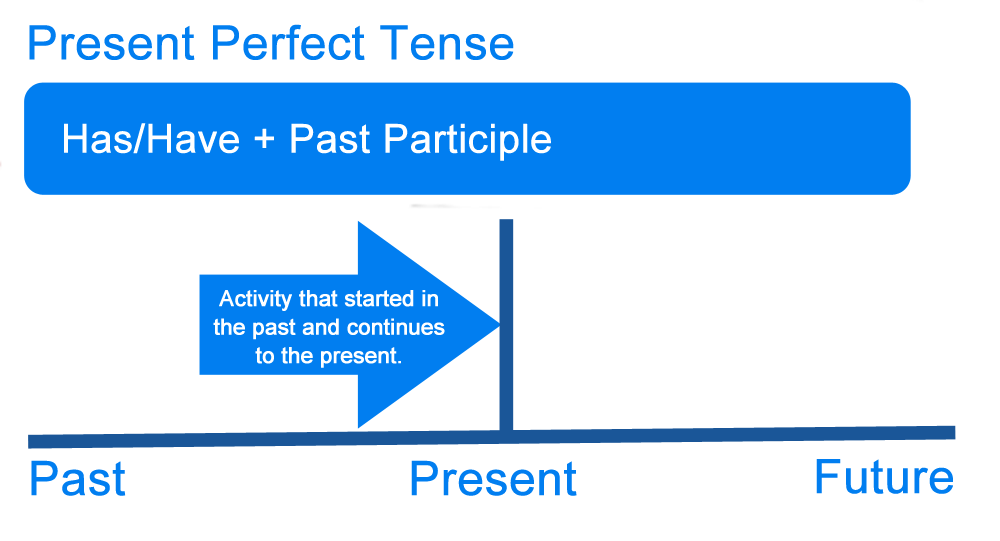
Most reference books say that the present perfect continuous tense has no passive form.

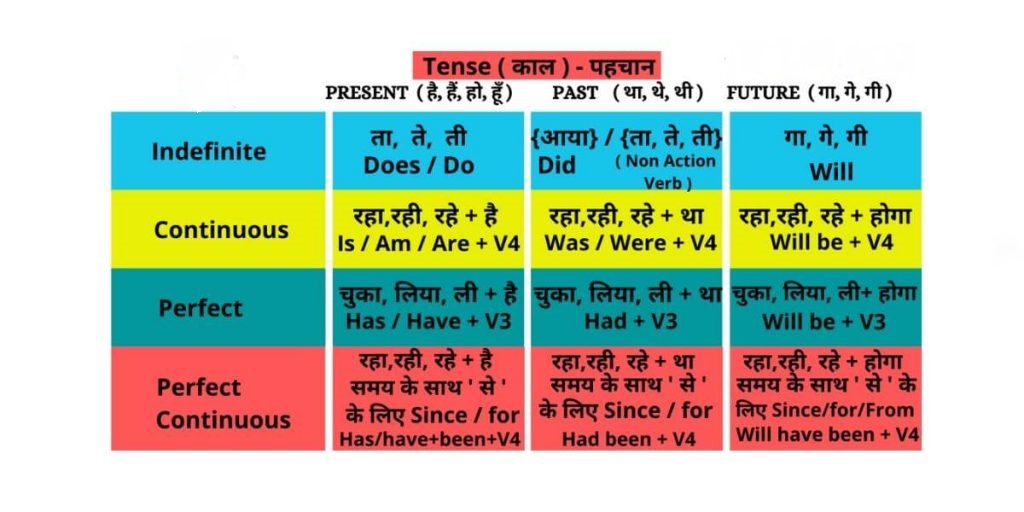
How to recognize the tenses?

For audio-visual lessons, Subscribe our Youtube Channel Way To crack IELTS.
Follow our Official Pages on Facebook and Instagram.